
Areas of AI Application
Clinic Operations & Workflow Automation
AI solutions for clinic operations focus on improving how practices manage administrative and operational workflows. These platforms support tasks such as scheduling, documentation, internal communications, reporting, and other non-clinical processes that often contribute to staff workload and inefficiency.
When implemented correctly, operational AI can reduce manual effort, improve consistency, and free up staff time for higher-value work. The key is ensuring that tools integrate smoothly with existing systems and do not introduce additional complexity.
Our recommendations prioritise practical, clinic-ready solutions that deliver measurable operational benefits without disrupting day-to-day practice.

Imaging Analysis
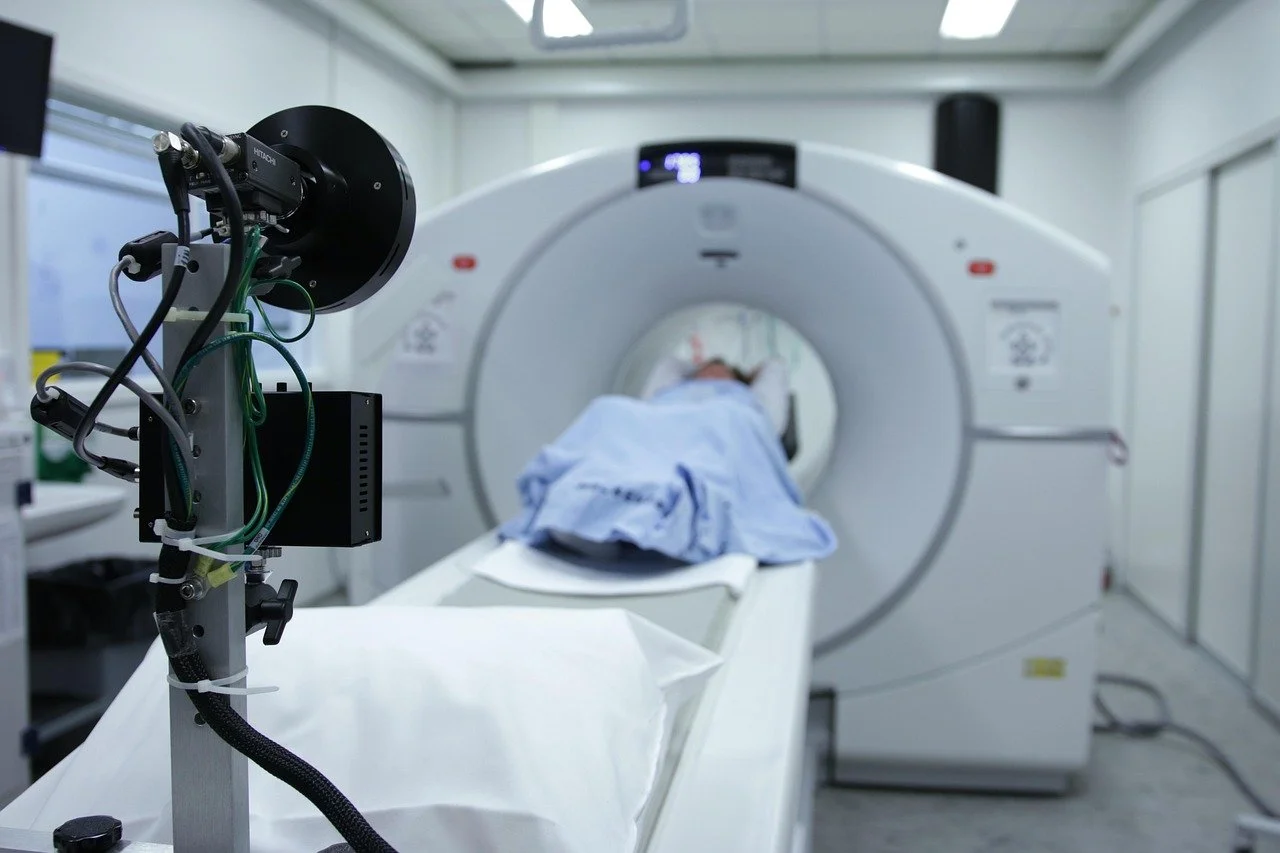
Imaging analysis AI solutions assist in reviewing and interpreting medical images by applying pattern recognition and advanced analytics to support clinical workflows. These tools can help prioritise cases, highlight areas of interest, and improve consistency across image review processes.
Used appropriately, imaging AI can support efficiency and accuracy while allowing clinicians to remain firmly in control of final interpretation and decision-making. Adoption requires careful consideration of validation, integration, and suitability for the specific imaging context.
We assess imaging analysis platforms with a focus on reliability, workflow fit, and responsible clinical use.
Diagnostic Support
Diagnostic support AI tools are designed to assist clinicians by analysing structured and unstructured clinical data to identify patterns, trends, or areas of potential relevance. These systems can help surface insights, reduce cognitive load, and support more efficient decision-making — particularly in complex or high-volume environments.
Importantly, these tools do not replace clinical judgement. They are intended to act as decision-support aids, helping clinicians work more efficiently while retaining full responsibility and oversight over all diagnostic outcomes.
We focus on identifying diagnostic support solutions that are transparent, clinically appropriate, and aligned with real-world practice workflows.

Remote Patient Monitoring
Remote patient monitoring platforms use AI to support the collection, review, and interpretation of patient data outside the clinic environment. These solutions can help practices maintain visibility into patient trends, support proactive follow-up, and improve continuity of care between visits.
Successful adoption depends on clear use cases, appropriate data handling, and alignment with clinical responsibilities and workflows. Not all clinics require remote monitoring tools, and not all platforms are suitable for every practice model.
We help clinics understand where remote patient monitoring may add value, and which solutions align with their clinical scope, capacity, and compliance requirements.

Each category of AI presents different opportunities and risks. Our role is to help clinics understand which solutions are appropriate, practical, and worth considering — before any investment is made
Book a free consultation to explore how AI could enhance your clinic’s outcomes.